6 Untapped Sources of In-Kind Donations for Nonprofits
As a nonprofit leader, you might picture in-kind donations as a soccer mom unloading bags of used clothing from her minivan at a local Goodwill. While those community contributions are the bedrock of many charitable operations, the scope of in-kind giving is significantly broader (and much more corporate) than most realize.
In-kind donations, or non-cash gifts, represent a massive opportunity for nonprofits to scale their operations without increasing their overhead. For this reason, many major corporations view in-kind giving as a primary pillar of their social responsibility strategy, often because it allows them to leverage their unique business assets to make a tangible impact.
If your fundraising strategy is strictly focused on cash, you’re missing out on a world of corporate resources. And we’re here to help you broaden your horizons! In this guide, we’ll cover (often-underutilized) in-kind donations through:
- Pro bono support
- Advertising space
- Software licenses
- Real estate
- Overstock and returned goods
- Travel vouchers
From high-end technology to professional legal counsel, the right in-kind partnership can be just as transformative as a major gift. When you realize that a company’s unused office space or their marketing team’s bench time is essentially a wasted asset for them, it becomes a win-win scenario.
The following six categories represent some of the most valuable, yet frequently overlooked, sources of in-kind donations available to the nonprofit sector today.
1) Pro bono support
While many nonprofits are familiar with volunteerism, pro bono support is a specialized form of in-kind giving where professionals donate their expert services for free. Instead of a corporate team spending a Saturday painting a fence, pro bono involvement may look like a marketing executive revamping your brand identity or an IT firm auditing your cybersecurity.
The actual value of pro bono support is calculated at the professional’s fair market hourly rate. If a senior partner at a law firm who normally bills $400 per hour spends 10 hours reviewing your contracts, that is a $4,000 in-kind gift.
Where to Locate These Opportunities:
Most large-scale pro bono work is found through formalized Corporate Social Responsibility programs. (Tip: Look for “Skills-Based Volunteering” opportunities on corporate websites.) These might include:
- Marketing & Creative: Agencies often take on “passion projects,” providing high-end graphic design, video production, or PR strategy to nonprofits that could benefit from these services.
- Legal & Finance: Law firms frequently have pro bono requirements, offering help with everything from contract reviews to non-profit status filings.
- IT & Tech: Managed Service Providers (MSPs) can help set up your network or migrate your data to the cloud at no cost.
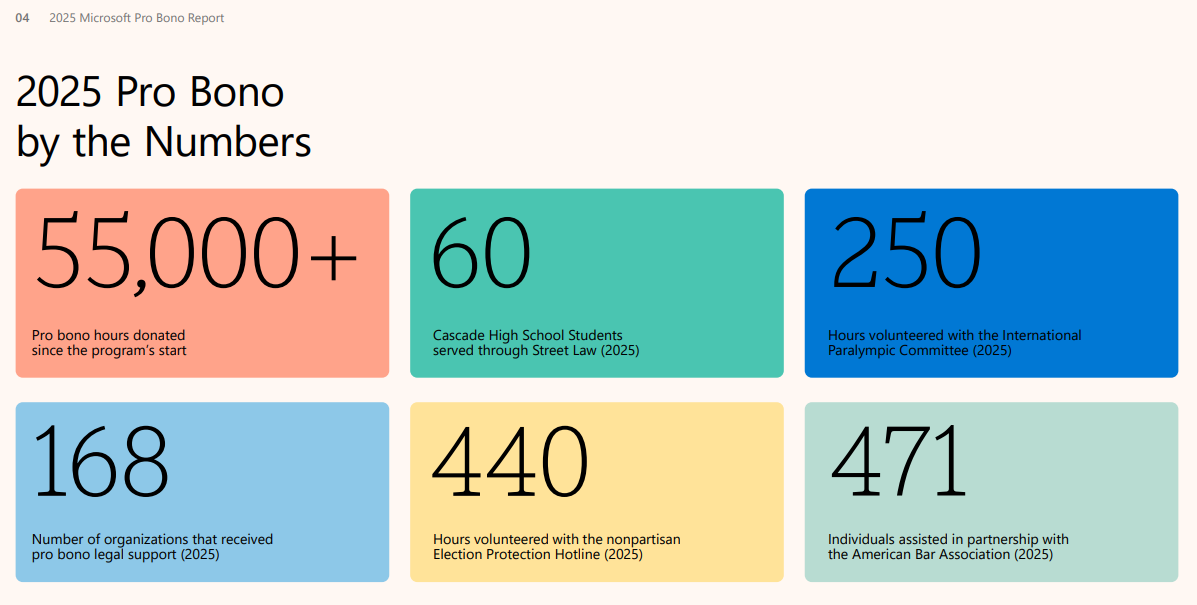
Additionally, organizations like Taproot Foundation and Catchafire act as massive clearinghouses, pairing professional talent with nonprofits in need of specific projects like legal aid, financial auditing, or web development.
Why This In-Kind Donation Is a Game-Changer:
Companies often encourage their employees to participate in skills-based volunteering or offer pro bono services. For the company, doing so improves employee retention and enhances professional development while growing CSR. Meanwhile, your organization receives access to talent and resources that might otherwise be outside your budget.
In other words, by leveraging professional services as in-kind donations, you aren’t just saving money; you’re elevating the professional standard of your entire organization.
2) Advertising space
Visibility is the lifeblood of fundraising, but the cost of digital and traditional media can be astronomical. Fortunately, some of the world’s largest media and tech companies offer no-cost advertising space specifically as a way to support 501(c)(3) organizations.
Where to Locate These Opportunities:
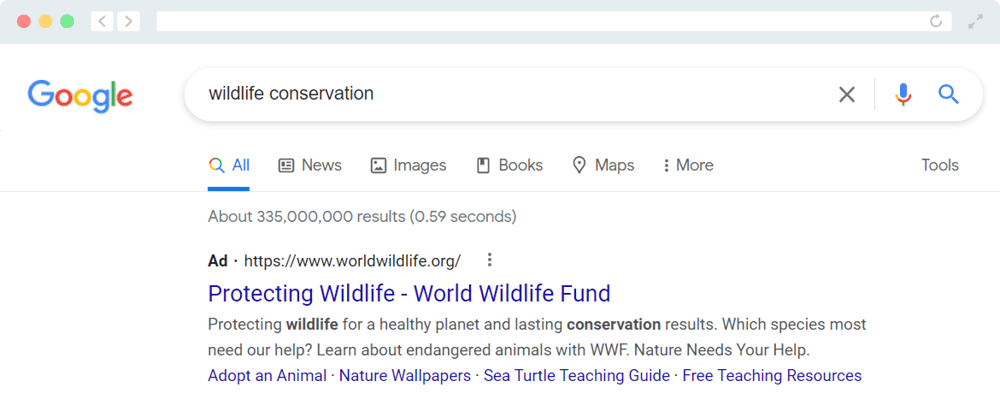
When it comes to free advertising, there’s one major program you should know: Google Ad Grants. Perhaps the most famous in-kind program, Google provides qualifying nonprofits with up to $10,000 per month in in-kind search advertising space. This allows your organization to appear at the top of search results when donors or volunteers look for keywords related to your cause.
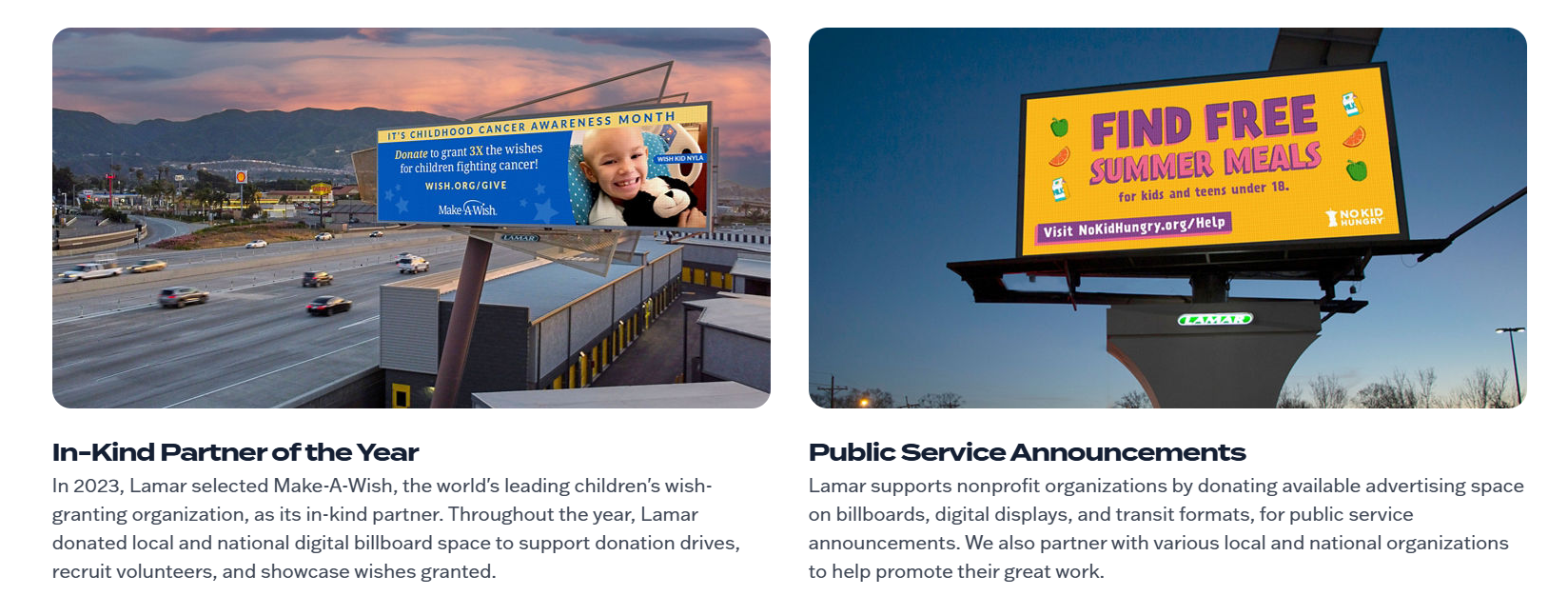
However, you don’t want to overlook local media outlets, either. Billboards, radio stations, or regional magazines in your area may have Public Service Announcement quotas or unsold inventory they are willing to donate to local charities as a way to maintain community goodwill.
Why This In-Kind Donation Is a Game-Changer:
Digital and physical ad space creates a multiplier effect for existing campaigns. Access to $10,000 per month in free advertising places your cause in front of thousands of people actively searching for ways to help. This level of exposure is often the difference between a struggling local program and a widely recognized movement. It essentially levels the playing field, allowing a small nonprofit to compete for eyeballs right alongside massive global brands.
3) Software licenses
In today’s digital age, an organization is only as efficient as its tech stack. However, the nonprofit discount is just the tip of the iceberg. Many tech giants donate full software licenses for free, allowing your team to use the same enterprise-grade tools as Fortune 500 companies.
Where to Locate These Opportunities:
The gold standard for uncovering software donations is TechSoup, a nonprofit platform that serves as a software marketplace and support network for companies offering free or discounted tools for the nonprofit sector. These often include:
- CRM and Productivity Tools, such as HubSpot, Zoho, and Microsoft
- Creative Resources, such as Adobe Creative Cloud, Shutterstock, and Constant Contact
- Infrastructure, such as GitHub, QuickBooks, and fundraising technology
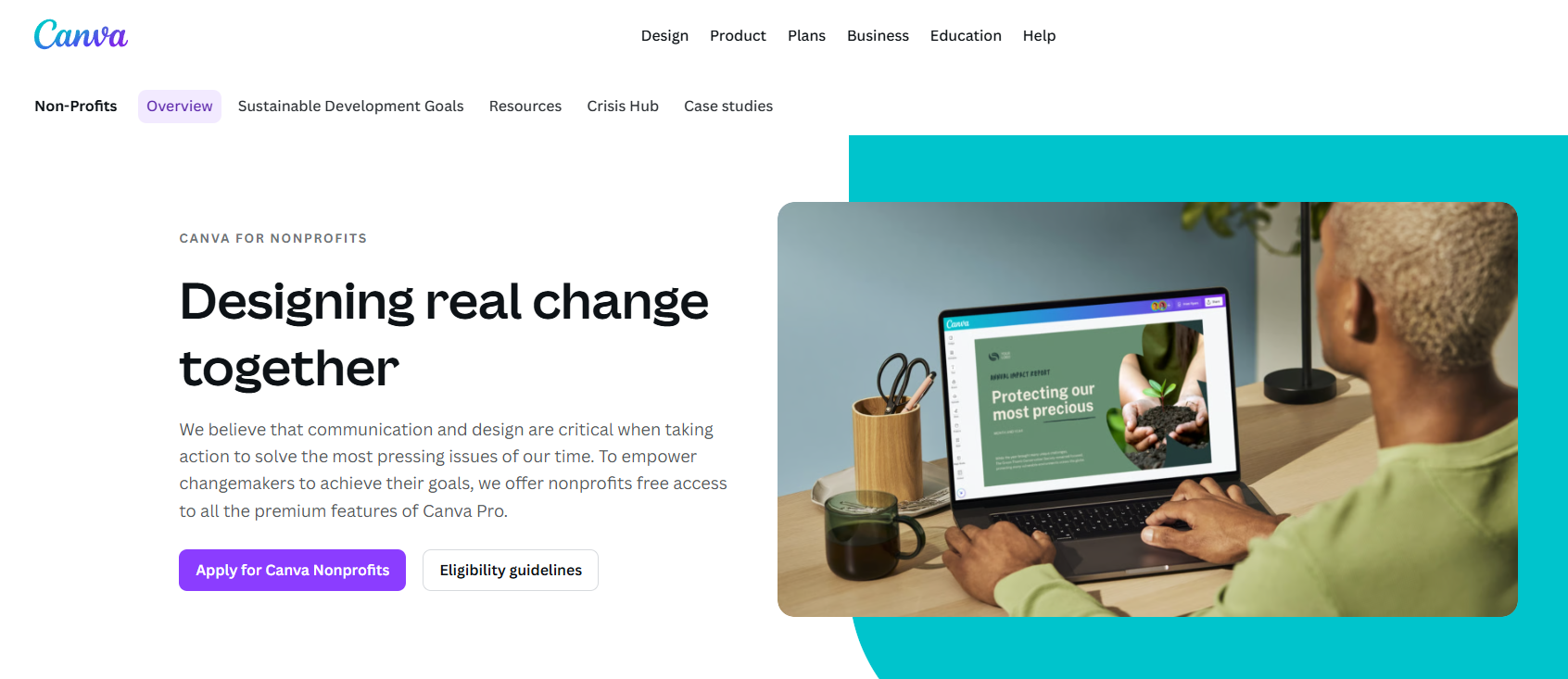
Additionally, you can check the “For Nonprofits” pages of other major tech providers to locate additional opportunities. Salesforce offers the Power of Us program, for example, while Canva provides free premium access through Canva for Nonprofits.
Why This In-Kind Donation Is a Game-Changer:
Software donations eliminate the recurring monthly subscription creep that quietly bleeds nonprofit budgets dry. Not to mention, they provide sophisticated automation and data-tracking tools necessary to scale.
When your CRM, creative tools, security software, and more are contributed at no cost, your team spends less time on manual data entry and more time on the ground. It transforms your operations from a manual, paper-heavy process into a streamlined, tech-forward machine.
4) Real estate
One of the largest line items in any nonprofit budget is occupancy. Whether it’s a monthly lease or the cost of renting a ballroom for a gala, real estate is expensive. However, donated office space is increasingly common as corporations rethink their physical footprints.
Where to Locate These Opportunities:
Finding the right space requires a proactive approach to networking within your local business community. For the best results, look for properties that are currently underutilized or in transition, as these represent the most likely candidates for a tax-deductible donation.
This might include:
- Unused Corporate Suites: With the rise of hybrid work, many companies have excess office space. They may be willing to donate a “wing” or several desks to a nonprofit in exchange for a tax deduction on the fair market value of the lease.
- Event Venues: Hotels and community centers often have “dark nights” where a room is unbooked. Building a relationship with a local hotel manager can lead to a donated venue for your next board meeting or small fundraiser.
- Universities & Libraries: Public and private institutions often have vacant rooms or specialized facilities (such as labs or theaters) that they provide at no cost to mission-driven organizations.
Beyond standard corporate offices, consider reaching out to local commercial real estate brokers. These professionals often have their pulse on vacant buildings or “zombie” storefronts where a short-term nonprofit tenancy can actually help keep the property active and maintained.
Why This In-Kind Donation Is a Game-Changer:
Securing donated space does more than just lower your monthly overhead; it provides your organization with a professional home base and a sense of permanence. Plus, by eliminating or drastically reducing rent, you can pivot those funds directly into your programs or even hire additional staff.
Whether it’s a donated storefront for a community center or a corporate boardroom for annual planning, these in-kind donated assets allow you to redirect thousands of dollars from “rent” to “reach.”
5) Overstock and returned goods
Retailers frequently face a logistical nightmare: what to do with perfectly good items that were returned or never sold. Instead of letting these items head to a landfill, many companies look for nonprofit partners to take them off their hands.
Where to Locate These Opportunities:
Accessing these goods often involves joining centralized distribution networks that specialize in corporate product philanthropy. To find the best fit for your mission, you may also decide to leverage Double the Donation’s corporate giving database, which identifies companies with dedicated programs (and open applications) for in-kind product donations.
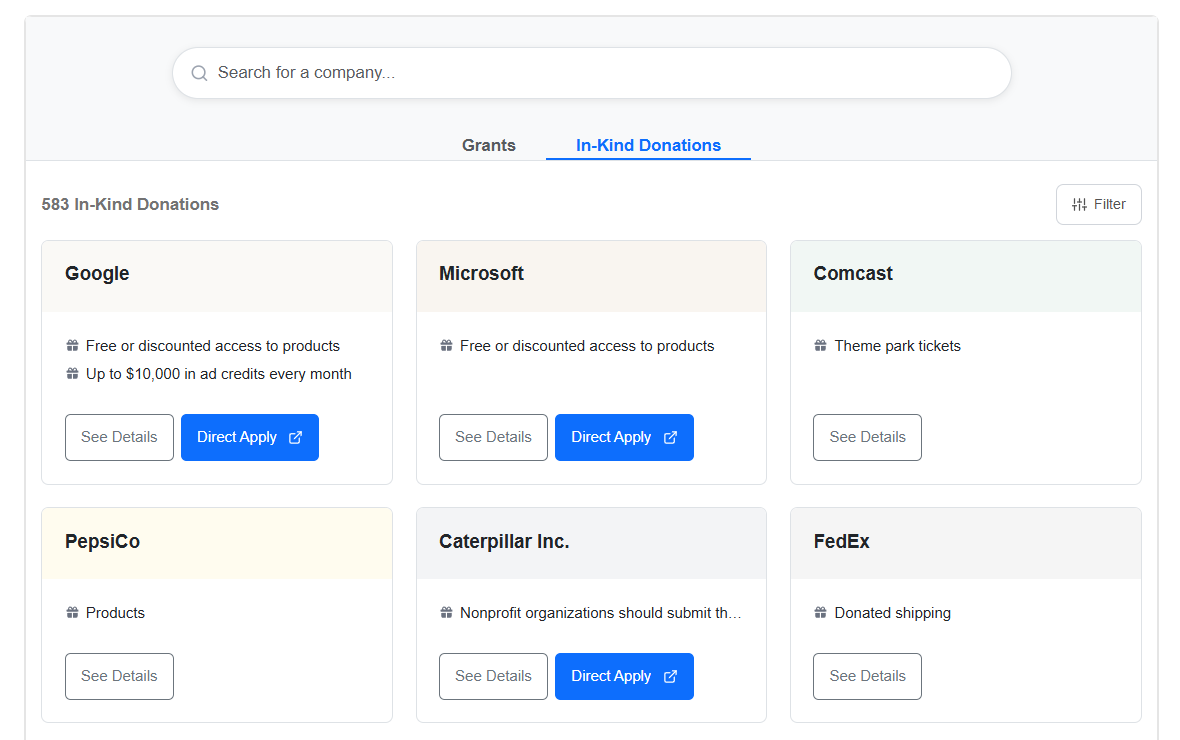
These specialized platforms act as a massive digital warehouse, allowing nonprofits to strategically browse and request the specific supplies they need most. For example:
- Amazon FBA Donations: Through its FBA Donations program, Amazon incentivizes sellers to donate overstock and returned items to a network of nonprofits.
- Good360: This specialized nonprofit serves as a functional bridge, connecting organizations with excess inventory from brands such as Nike and Staples.
- Big Box Retailers: Companies like Walmart, Lowe’s, and Home Depot often donate “scratch and dent” items or seasonal overstock (like heaters or fans) to local shelters and community groups.
In addition to the national programs above, don’t forget to check with your local retailers and independent hardware or grocery stores. Often, items with minor packaging damage or discontinued labels are pulled from shelves and can be secured simply by establishing a recurring pickup schedule with the store manager!
Why This In-Kind Donation Is a Game-Changer:
Whether you need office supplies for your staff or hygiene products for your beneficiaries, corporate overstock programs provide high-quality goods, often for nothing more than a small shipping or administrative fee. For direct-service nonprofits, such as shelters or disaster relief groups, getting a bulk shipment of new mattresses, winter clothing, or school supplies is a massive operational win. This ensures that every dollar donated by the public goes toward your mission rather than retail markups.
This source of giving turns a corporation’s “waste” into your organization’s “wealth.”
6) Travel vouchers
Travel is often a “hidden cost” in the nonprofit world, whether it’s flying a speaker in for a conference or providing emergency transport for clients. Travel vouchers are a highly liquid form of in-kind giving that can be used for operations or as high-value auction items for your next event.
Where to Locate These Opportunities:
Securing travel donations typically requires navigating formal application cycles, as major hospitality brands often review these requests on a quarterly basis. Keep an eye out for programs through companies like these:
- Airlines: Airline carriers like Southwest, Delta, and Frontier all have established programs where they donate flight vouchers to 501(c)(3) organizations. These are often used to support fundraising activities like raffles.
- Hotels: Major chains such as Marriott and Fairmont often offer “stay vouchers” or sponsorship packages. These are perfect for silent auctions, as they have a high perceived value and no cost for the nonprofit.
- Cruise Lines: Companies like Carnival and Royal Caribbean frequently donate cruise packages to support youth-focused or environmental nonprofits.
For the best results, it’s essential to tailor your request to show how the travel support directly enables your mission or enhances a high-profile fundraising event. Once you’ve secured a voucher, be sure to examine the expiration dates and any blackout periods that might apply.
Why This In-Kind Donation Is a Game-Changer:
These vouchers are incredibly versatile tools for both operational efficiency and fundraising success. By tapping into the hospitality industry’s donation opportunities, you can provide your supporters with exciting experiences and your organization with a significant financial boost, all without shelling out a single dime.
Final Thoughts on Maximizing In-Kind Donations
In-kind donations are a powerful, often overlooked engine for nonprofit growth. While cash is often king, these six untapped sources, from pro bono legal help to donated airline tickets, allow your organization to stretch every dollar it receives.
The opportunities for these partnerships are everywhere (and they’re continuing to expand, too, as we see significant growth in corporate giving). They just require a shift in how you view giving. A company might not have the budget to write you a $5,000 check, but it may have $10,000 worth of unused software or a conference room they’d be happy to contribute at no cost.
When you know where to look, the world becomes a warehouse of resources for your mission.
Ready to Take the Next Step?
Don’t leave these untapped resources on the table. Get started with Double the Donation’s corporate giving database to locate companies with open applications for in-kind gifts and other philanthropy programs.
Start turning corporate assets into community impact today!


