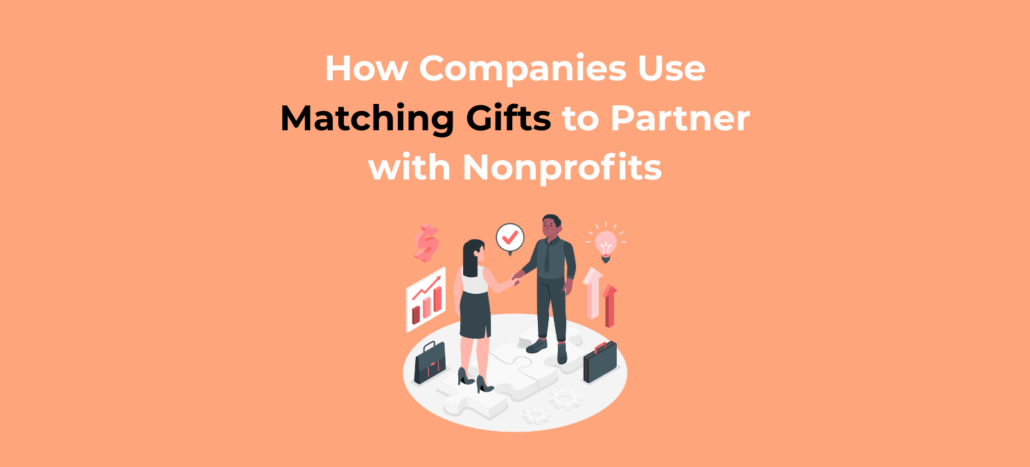
How Companies Use Matching Gifts to Partner with Nonprofits
In today’s corporate landscape, many companies are increasingly aware of the importance of giving back to the community. One of the most impactful ways businesses can engage in philanthropy is through matching gifts, which allow companies to match employee donations to nonprofit organizations. These partnerships are not only a great way to contribute to causes that matter but also help foster a culture of giving within organizations.
This blog post will dive deep into how companies use matching gifts to partner with nonprofits, the benefits of these programs, and how they can create long-lasting, impactful relationships between businesses and charitable organizations. Specifically, we’ll cover:
- What Are Matching Gift Programs?
- Why Companies Use Matching Gifts to Partner with Nonprofits
- The Benefits of Matching Gifts for Companies
- Key Considerations When Setting Up a Matching Gift Program
- Common Pitfalls and How to Avoid Them
- Best Practices for Companies and Nonprofits to Build Strong Partnerships
Matching gifts and nonprofit partnerships are a powerful tool for corporations and charities alike. By leveraging these programs, companies can amplify their corporate social responsibility efforts, while nonprofits gain access to additional funding and support.
What Are Matching Gift Programs?
Matching gift programs are a form of corporate philanthropy in which companies match donations their employees make to nonprofit organizations. This is typically done on a dollar-for-dollar basis, although some companies may offer a higher matching percentage or set caps on the total amount. The matching process helps employees double or even triple the impact of their charitable contributions.
These programs are often set up by employers to encourage employees to give back to causes they care about while also enhancing the company’s reputation as a socially responsible employer. Matching gift programs can be applied to various donation types, including financial contributions, volunteer hours, and, in some cases, event participation.
By offering matching gifts, companies benefit by establishing a strong connection between their employees and the organizations they support. For nonprofits, matching gift programs are an excellent way to increase revenue and build stronger relationships with corporate partners.
Why Companies Use Matching Gifts to Partner with Nonprofits
Companies use matching gift programs to enhance their corporate social responsibility (CSR) efforts and improve employee satisfaction. These programs often align with a company’s values while also allowing it to engage with its employees on a more personal level.
Here are several key reasons why companies choose to implement matching gift programs:
1. Enhance Corporate Social Responsibility
For many businesses, having a robust CSR strategy is crucial. By partnering with nonprofits through matching gift programs, companies can show their commitment to giving back to the community. Matching gifts allow companies to amplify their social impact without necessarily contributing all the funds themselves.
2. Improve Employee Engagement
Matching gifts can significantly boost employee morale and engagement. When companies match employees’ charitable contributions, it demonstrates that they value and support the causes their employees care about. This creates a positive work culture and helps employees feel more connected to their organization.
3. Attract and Retain Talent
A company that offers matching gift programs is more likely to attract employees who are passionate about giving back to their communities. These programs are often seen as a key workplace benefit, and many employees choose to work for companies that align with their values.
Additionally, companies that offer matching gift programs often experience higher employee retention rates. Employees who feel that their company cares about their personal values are more likely to stay with the organization. Furthermore, having a matching gift program shows that the company values employee contributions and is willing to invest in their charitable efforts.
4. Strengthen Nonprofit Partnerships
Matching gifts foster mutually beneficial relationships between companies and nonprofits. Not only does the company get to showcase its CSR efforts, but the nonprofit also receives additional funds and support. This strengthens the bond between the two entities and can lead to long-term collaborations.
5. Amplify Impact
One of the most significant benefits for companies offering matching gifts is the ability to amplify their philanthropic efforts. By matching employee donations, companies can double or even triple the total donations to nonprofit organizations. This allows companies to maximize their social impact without increasing their overall budget.
6. Positive Brand Image
Corporate social responsibility is a key factor in shaping a company’s public image. Consumers are increasingly looking to support businesses that are socially conscious and involved in meaningful causes. By offering matching gift programs, companies can improve their reputation, attract new customers, and foster loyalty among existing ones.
Key Considerations When Setting Up a Matching Gift Program
If your company is looking to implement or expand a matching gift program, there are several key considerations to keep in mind:
1. Program Limits and Caps
Many companies place limits on how much they will match per employee or per year. For example, a company may match up to $5,000 per employee annually. It’s important to communicate these limits clearly to employees so they know how much they can donate and how much the company will match.
2. Eligibility Requirements
Matching gift programs may come with specific eligibility criteria, such as minimum donation amounts or restrictions on which organizations can receive matched funds. Make sure to establish these requirements upfront and ensure they are clear to both employees and nonprofit partners.
3. Administering the Program
Companies should establish a transparent process for administering the matching gift program, including how donations are verified, how matching gifts are processed, and who oversees the program. This helps ensure that the program runs smoothly and efficiently, and is most effective when streamlined by a third-party CSR platform.
Common Pitfalls and How to Avoid Them
Matching gift programs offer many benefits, but they also come with potential pitfalls. Here are some common matching gift roadblocks and how we recommend avoiding them:
1. Lack of Awareness Among Employees
Many employees may not be aware that their company offers a matching gift program. To avoid this, make sure your business’s program is well-publicized within the company, both through internal communications and during the onboarding process.
It also helps to add program details to Double the Donation’s matching gift database, which allows leading nonprofits to surface information about your initiative when qualifying donors select your company as their employer.
2. Complicated Process for Donors
If the matching gift process is too complicated or time-consuming, donors may be discouraged from submitting their matches. Make the process as straightforward as possible, using technology to automate where possible. Matching gift auto-submission is a great solution here, made available when a company works with a CSR vendor that partners with Double the Donation.
3. Failure to Follow Up
Many matching gifts go unclaimed because donors forget to submit their match requests. Nonprofits and companies alike should make it a priority to follow up with employees and donors to remind them of the matching gift opportunities.
Best Practices for Companies and Nonprofits to Build Strong Partnerships
Building strong and sustainable partnerships between companies and nonprofits can create powerful social impact. When companies collaborate with nonprofits through programs like matching gifts, volunteerism, and charitable donations, both parties stand to gain. Companies enhance their corporate social responsibility initiatives, and nonprofits receive critical funding and support for their missions.
However, to ensure these partnerships are truly effective, both companies and nonprofits must work together strategically. Below, we explore several best practices that can help companies and nonprofits build strong, mutually beneficial partnerships that drive long-term success.
1. Establish Clear Communication Channels
Effective communication is the cornerstone of any successful partnership. For a company and a nonprofit to collaborate seamlessly, they need to keep lines of communication open, transparent, and consistent. Both organizations should establish a dedicated point of contact to manage communications and ensure that information flows smoothly in both directions.
Best Practice: Regularly update each other on program developments, campaign progress, and any changes to program logistics. Use tools like email newsletters, scheduled calls, or project management platforms to facilitate ongoing communication.
For example, a nonprofit could send quarterly updates on how matching gifts are being used to further their cause, while the company can share insights on participation rates and employee engagement with the program.
2. Set Clear, Measurable Goals
For both companies and nonprofits, the partnership will be most successful when clear, measurable goals are set from the outset. These goals might include donation targets, employee participation rates, or a number of volunteer hours. By defining success early, both parties will be aligned on expectations, helping focus efforts and resources toward achieving shared outcomes.
Best Practice: Use the SMART (Specific, Measurable, Achievable, Relevant, Time-bound) framework to outline concrete goals for the partnership. For example, a goal could be: “Increase matching gift participation by 20% over the next 12 months.”
It’s also essential to periodically assess the progress toward these goals, adjust strategies as necessary, and celebrate milestones along the way.
3. Align on Values and Mission
For a partnership to be truly effective, it’s vital that both the company and nonprofit share similar values and align on their mission. This alignment ensures that the partnership feels authentic to both employees and supporters, creating a deeper connection to the work being done. It also helps companies choose nonprofit partners that resonate with their employee base, making it easier to encourage participation in programs like matching gifts.
Best Practice: Take time to ensure your company’s values align with a nonprofit’s mission. For example, a tech company focused on sustainability may seek out nonprofits that support environmental causes. This creates a natural fit, making the partnership feel more meaningful and engaging for both employees and supporters.
4. Collaborate on Employee Engagement Strategies
Employee engagement is a critical factor in the success of corporate giving programs. Companies want their employees to be excited about the programs they offer, while nonprofits want to see active participation that translates into donations or volunteer hours. Collaborating on engagement strategies is key to motivating employees and building strong, lasting relationships between employees, the company, and the nonprofit.
Best Practice: Companies and nonprofits should work together to craft compelling campaigns that encourage employee participation in matching gift programs, volunteerism, and broader fundraising efforts. This might include creating educational resources about how matching gifts work or hosting volunteer events that bring employees together around a cause.
One example of effective collaboration could be a nonprofit partnering with a company to organize a “Volunteer Week,” where employees can sign up for hands-on projects and the company matches their volunteer hours with a financial donation to the nonprofit (also known as volunteer grants).
5. Leverage Technology for Seamless Integration
In today’s digital age, technology plays a key role in simplifying the administrative tasks of running a matching gift or employee engagement program. Using software platforms that can track donations, match submissions, volunteer hours, and program metrics helps streamline the partnership process for both companies and nonprofits.
Best Practice: Both organizations should consider using integrated platforms that provide real-time data on employee participation, matching gift requests, and volunteer activities. Solutions like Benevity, YourCause, or CyberGrants can help automate many of the program’s processes, reducing manual workload while increasing efficiency and accuracy.
6. Provide Recognition and Appreciation
A little recognition goes a long way in building strong partnerships. Both employees and nonprofit partners appreciate being acknowledged for their contributions, whether that’s through public recognition or personalized thank-you messages. Acknowledging effort not only reinforces positive behavior but also motivates individuals to continue participating in future campaigns.
Best Practice: Companies can publicly recognize employees who participate in matching gift programs or volunteer opportunities, perhaps through an internal newsletter or during company-wide meetings. Acknowledging these contributions demonstrates that the company values the time and effort employees put into supporting various causes.
7. Regularly Report on the Partnership’s Impact
To sustain momentum and encourage continued involvement, both companies and nonprofits should regularly report on the success of the partnership. This might include sharing the total number of matched donations, the number of volunteer hours contributed, or the total impact made by the company’s efforts. When employees and nonprofit supporters see the tangible outcomes of their actions, it increases their engagement and enthusiasm.
Best Practice: Companies and nonprofits should co-create reports that highlight the partnership’s impact, including financial contributions, volunteer hours, and the community or global changes achieved. These reports can be shared in quarterly meetings or via email updates to keep everyone informed and motivated.
8. Foster Long-Term Relationships
Building long-term relationships is one of the most effective ways to ensure that corporate and nonprofit partnerships continue to thrive. These partnerships should be seen as ongoing collaborations rather than short-term engagements. By working together over time, companies and nonprofits can strengthen their relationship and find new opportunities for joint initiatives.
Best Practice: After the initial partnership, explore ways to expand the collaboration. For example, a company might move beyond matching gifts to offer pro bono services, sponsor nonprofit events, or provide employee volunteer leadership in projects.
Wrapping Up & Next Steps
Matching gift programs are a win-win for companies and nonprofits alike. By leveraging these programs, companies can strengthen their CSR efforts, boost employee morale, and contribute to causes that matter. For nonprofits, matching gifts provide an opportunity to increase donations and build long-lasting relationships with corporate partners.