Build a High-Converting Nonprofit Corporate Sponsorship Page
Nonprofits often spend significant time and resources on outbound communications in order to secure business partnerships. While active outreach is vital, many organizations overlook the power of an optimized inbound funnel. As companies increasingly prioritize social responsibility, their managers are vigorously searching for organizations that align with their brand values.
If you don’t have a dedicated nonprofit corporate sponsorship page, you’re likely leaving significant revenue on the table by making it difficult for these partners to find you.
But don’t worry! We’ll cover everything you need to know about building such a resource here. This includes:
- Essential elements of a nonprofit corporate sponsorship page
- How to demonstrate partnership value and communicate ROI
- Leveraging social proof to convert interest into impact
- Optimizing the inbound corporate partnership contact flow
By creating a centralized hub for corporate engagement, you provide a professional destination for potential partners to explore. This page serves as a “home base” whether a company finds you through search or an employee reaches out on your behalf.
Essential Elements of a Nonprofit Corporate Sponsorship Page
A high-converting nonprofit corporate sponsorship page must act as a digital pitch deck. When a CSR manager lands on your site, they should immediately understand who you are, what you do, and, most importantly, how a partnership benefits their specific business objectives.
Clarity is the primary driver of conversion in the B2B (or business-to-nonprofit) space.
The first structural requirement is a clear, compelling value proposition at the top of the page. This is not just your mission statement; it is a statement of collaborative impact. Use this space to define the specific social problems your organization aims to solve and why a corporate partner is the missing piece of the puzzle. For the best results, avoid vague language and focus on results-oriented headers that reflect companies’ commitment to community leadership.
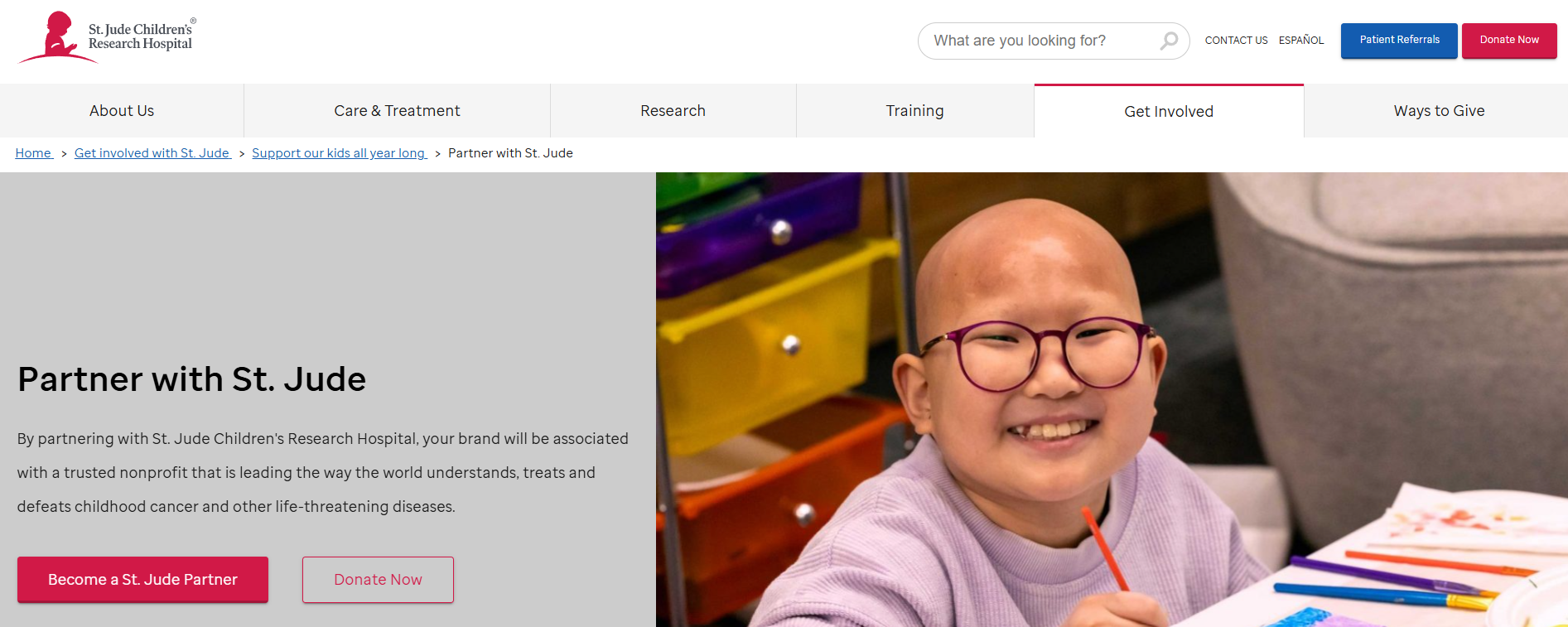
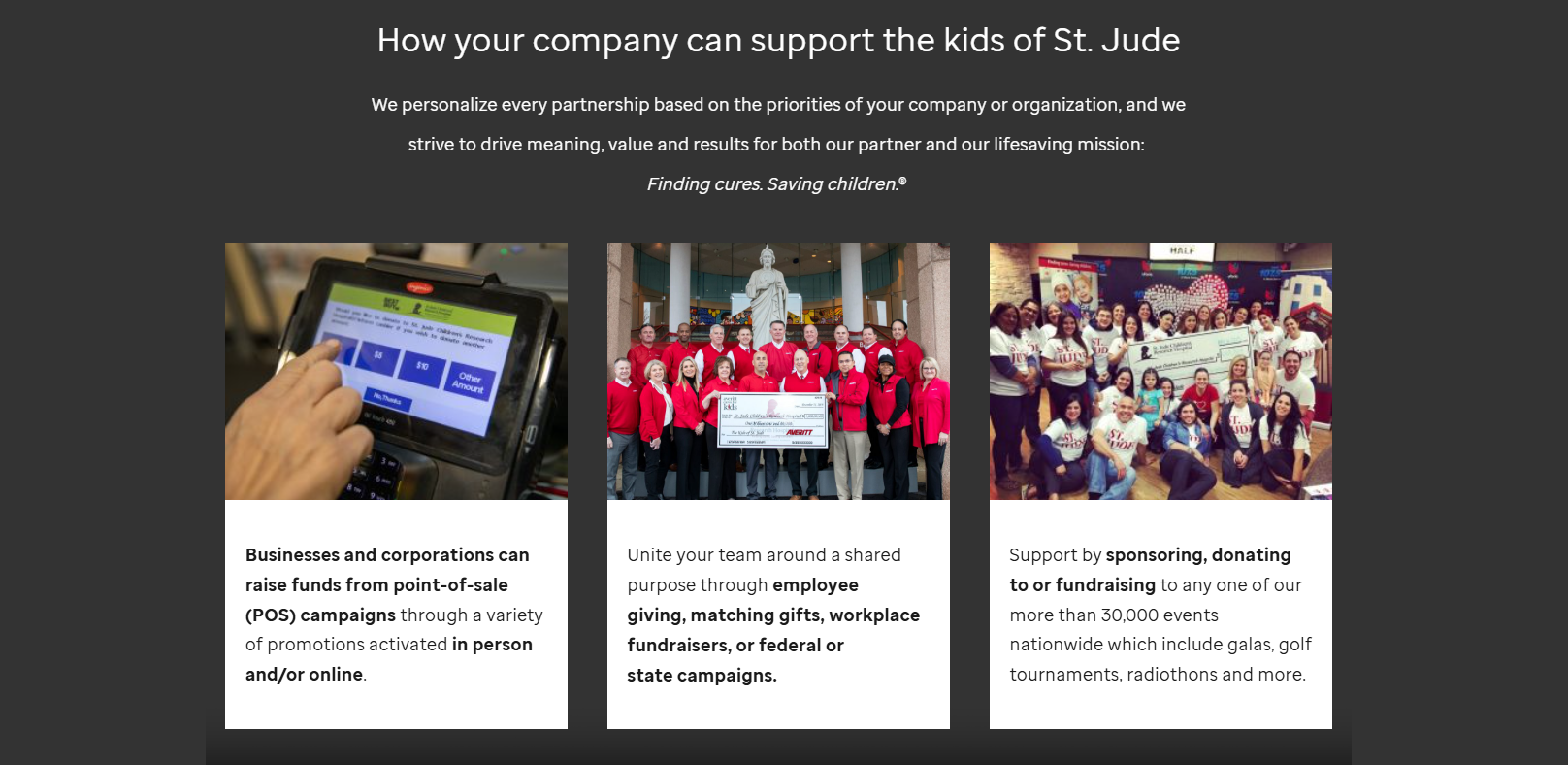
Beyond the mission, it’s important that you provide a menu of engagement opportunities. Not every business wants to sponsor a massive gala. Some may prefer payroll giving programs, while others may be more interested in providing matching gifts or volunteer grants. By listing these options clearly, you show that your nonprofit is flexible and understands the diverse ways corporations can give. This variable approach helps a company find its own “right fit” without the back-and-forth of an email chain.
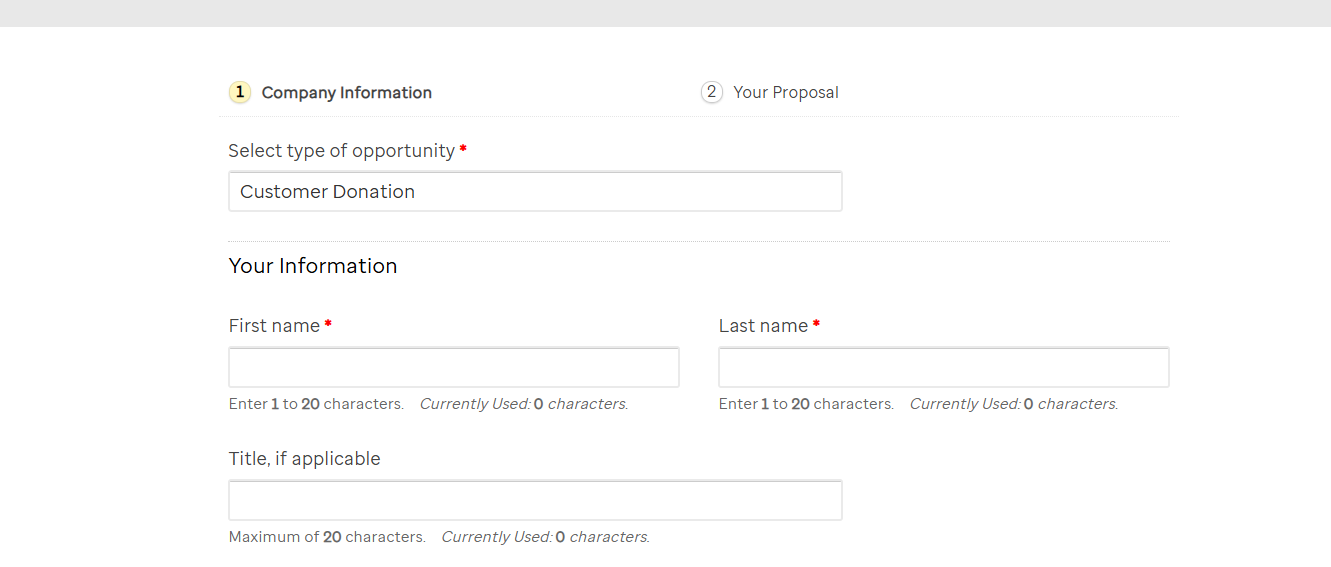
Finally, your page must include a streamlined intake mechanism. A common mistake is providing only a general info@ email address. This creates a hurdle for the partner and a tracking nightmare for your development team. Instead, use an embedded sponsorship inquiry form that asks for the company name, primary contact, and their primary areas of interest. This professionalizes the experience and ensures the right person on your team receives the lead immediately.
Partnership Disambiguation: What This Page is Not
To ensure your nonprofit corporate sponsorship page converts the right leads, it is important to also clarify what this resource is not. Doing so prevents confusion between different types of support and saves your staff time by filtering out unrelated inquiries.
Specifically, this page should not serve as a catch-all for individual donors seeking a standard donation receipt. Nor should it be the primary portal for individuals searching for a one-time volunteer shift. While volunteer time off is a valid corporate interest, the sponsorship page should focus on the high-level partnership agreement rather than the logistics of a single Saturday afternoon. Confusing these paths can lead to a “noisy” inbox and missed opportunities for major relationships.
By clearly defining the page’s scope, you signal to professional CSR managers that you understand their needs and are prepared for a high-level business discussion.
Demonstrating Partnership Value and Communicating ROI
Corporations are increasingly viewing their social impact through the lens of a “Social Return on Investment.” To convert these visitors, your nonprofit corporate sponsorship page must speak their language. While the heart of the partnership is your mission, the head of the partnership is the brand visibility and improved reputation you provide in return.
Start by outlining the marketing benefits. For example:
- Will their logo be featured on a high-traffic website?
- Do you have a significant social media following or an engaged email list?
- Would you promote their brand at an upcoming well-attended event?
Providing these audience reach metrics allows a marketing director to justify the sponsorship spend. If you can show that your audience aligns with their target customer base, the partnership becomes a strategic marketing asset rather than just a philanthropic line item. 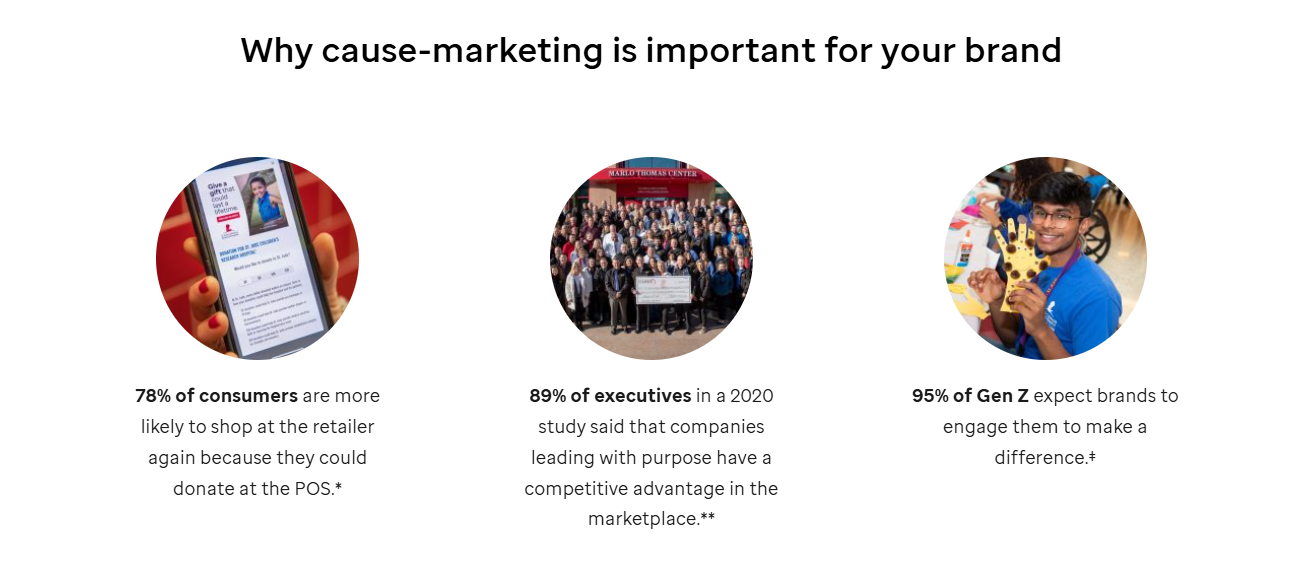
Employee engagement is another critical value driver. Many companies struggle with staff retention and are looking for ways to boost workplace morale. For these reasons, consider highlighting how your nonprofit can facilitate corporate volunteerism or internal giving campaigns to rally individual employees.
Leveraging Social Proof: Converting Interest Into Impact
In the world of corporate giving, no company wants to be the “guinea pig.” Businesses feel safer investing in organizations that have a proven track record of successful partnerships. This is why social proof is the most powerful psychological trigger you can use on your nonprofit corporate sponsorship page. It moves the conversation from “what we could do” to “what we have already achieved.”
Consider featuring a “Logo Cloud” of current or past partners. This provides immediate visual credibility. However, do not stop at the logos alone. High-converting pages use mini-case studies or testimonials from previous corporate contacts. A quote from a local CEO about how a volunteer day transformed their team’s culture is worth more than five paragraphs of your own marketing copy. It provides a third-party validation that your organization is professional and easy to work with.
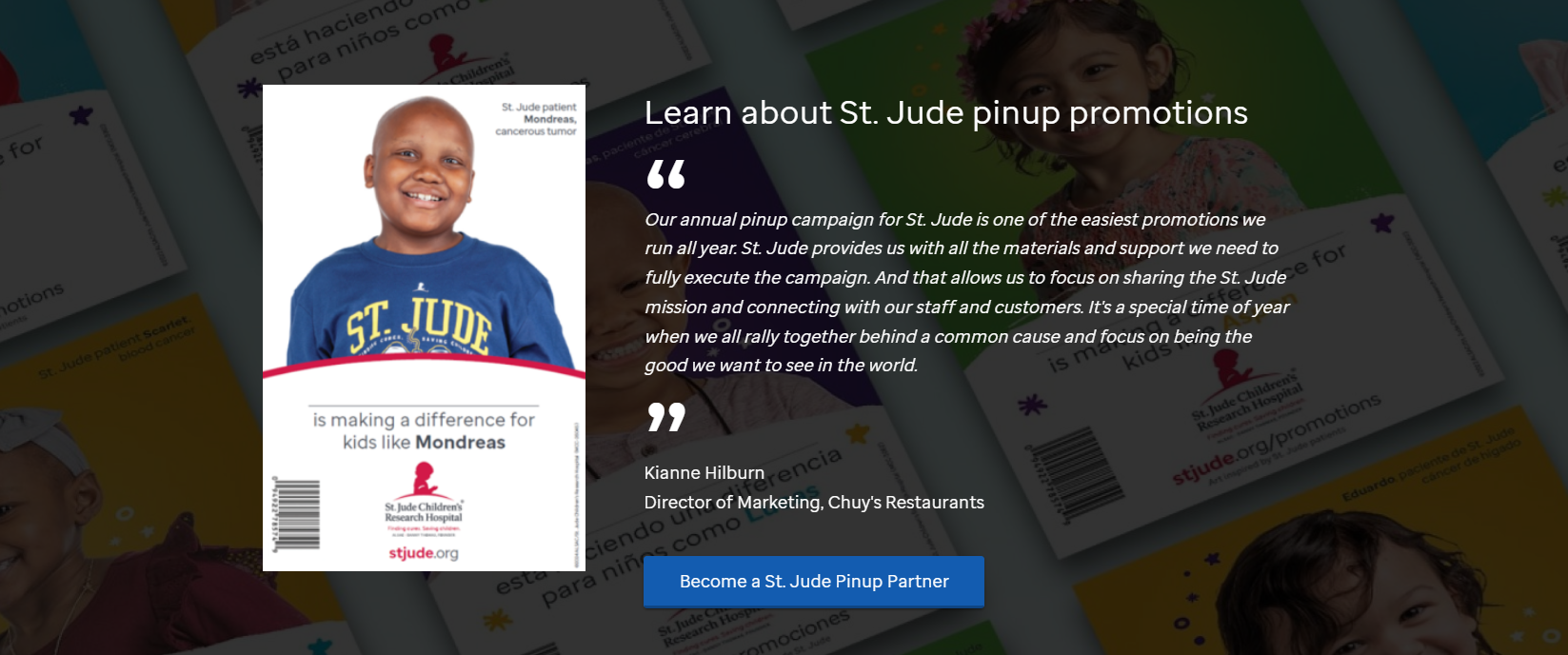
When presenting case studies, focus on the mutual wins. Describe a problem the company faced (e.g., low employee morale), the solution you provided (e.g., a custom skills-based volunteer program), and the tangible result (e.g., a 15% increase in internal engagement scores). This results-oriented storytelling mirrors the reports that CSR managers must give to their boards of directors.
Additionally, communicate the diversity of your partnerships. If you only show big-box retail partners, a small boutique law firm might feel they aren’t a fit. By showcasing a range of partnership sizes, types, and industries, you open the door for businesses of all scales to reach out. This inclusive approach ensures your inbound funnel remains as wide as possible.
Optimizing the Inbound Corporate Partnership Contact Flow
The ultimate goal of your nonprofit corporate sponsorship page is a conversion, which in this context is a form submission or a partnership inquiry. If your contact flow is clunky, you’ll lose potential partners at the final hurdle. For this reason, you must make it as easy as possible for a busy professional to say “I’m interested.”
Keep your contact form short. At this stage, you don’t need their tax ID or a 500-word essay on their philanthropic goals. You simply need enough information to qualify the lead and route it to the right person on your team. Fields should include name, company, email, and a dropdown menu for “Type of Partnership Interested In” (e.g., Event Sponsorship, Employee Volunteering, Cause Marketing, Corporate Grants, etc.).
After the form is submitted, the experience must remain professional. A generic “Thank you, we will get back to you” message is a missed opportunity. Instead, redirect the user to a “Sponsorship Success Hub” or send an automated email that includes a downloadable sponsorship prospectus. This keeps the momentum going and provides them with immediate value while they wait for your staff to reach out personally. From there, the second touchpoint should be a personal email or phone call from a development officer to discuss the specific needs of that business.
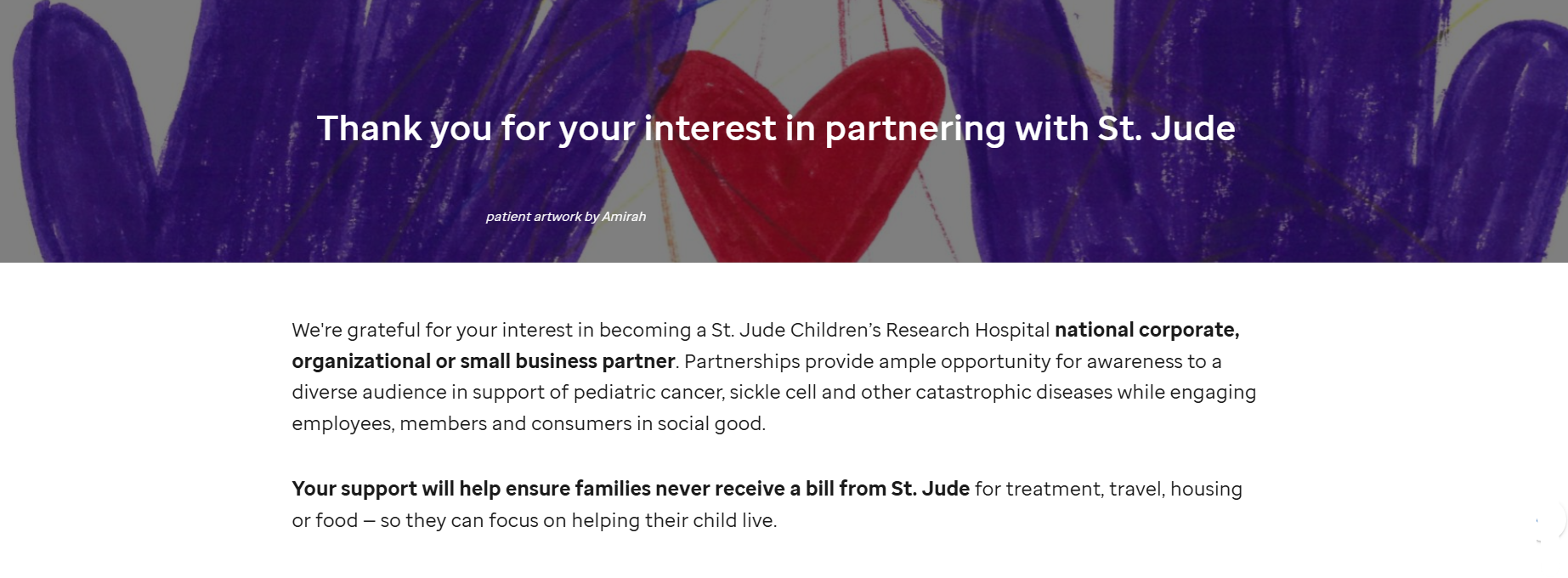
Effective internal routing is just as important. For the best results, ensure that your fundraising software or CRM is integrated with your website form. This allows you to track the source of the lead and ensure that no inquiry falls through the cracks. In the corporate world, a response within 24–48 hours is the standard; anything longer can be perceived as a lack of organizational capacity. Fast, professional follow-up is often the deciding factor in securing a major sponsorship.
Bonus! Streamlining Tier Selection With Direct Purchases
Beyond capturing contact information, you can significantly speed up decision-making by displaying your sponsorship tiers dynamically on your website. Using tools like Double the Donation’s sponsorships module, nonprofits can embed an interactive, visually engaging sponsorship matrix directly into their corporate giving pages without requiring web development or design expertise.
From there, prospective corporate partners have the opportunity to browse clearly defined tier levels, review specific benefit packages, and select or purchase their desired sponsorship tier on the spot.
By offering an immediate, self-serve entry point, you reduce friction for busy corporate decision-makers, turn passive page views into completed inbound commitments, and instantly shorten your sales cycle.
Wrapping Up & Next Steps
Building a high-converting nonprofit corporate sponsorship page is an investment in your organization’s future sustainability. By moving from a purely outbound strategy to a balanced approach, you save time, reduce administrative friction, and professionalize your brand in the eyes of the corporate world.
Just remember that this page is a living asset; it should be updated regularly with new case studies, fresh metrics, and current opportunities.
If you are ready to take your corporate giving to the next level, consider these immediate next steps:
- Audit your current “Partners” or “Ways to Give” page to see if it provides a clear path for business inquiries.
- Gather at least two testimonials from current corporate partners to add as social proof.
- Create a simple intake form using your fundraising tool of choice to capture leads directly into your CRM.
Corporate philanthropy is evolving, and companies are seeking nonprofits that can serve as strategic partners. By following the structural and psychological principles outlined in this guide, you can ensure that when a company seeks a cause to support, your organization stands out. Start building your high-converting page today and watch your corporate revenue grow.
Interested in learning more about the current state of corporate giving? Download Double the Donation’s free Nonprofit Corporate Engagement Report to see how your organization is stacking up (and what you can do to increase support).


